
This Is Why They Leave Video Series
Employee Experience (EX) videos on why your employees leave

Welcome to the "This Is Why They Leave" series—an unvarnished, direct, and powerful look at the 30 hard truths leaders often avoid.
For too long, the narrative around employee turnover has been filled with excuses and corporate platitudes. We’re told people leave for more money, but that’s rarely the whole story.
In this series, we pull back the curtain on the real, unfiltered truths. Each video is a short, hard-hitting exploration of the specific, often painful, reasons that cause your best people to walk out the door, from cowardly managers and toxic cultures to passive-aggressive leadership and broken promises.
This isn't just about identifying the problems; it's about providing the insights you need to stop the cycle. These truths are a direct call to action, offering leaders the profound self-awareness and understanding required to build a culture where people don’t just stay—they thrive.
This Is Why They Leave - Truth 1: It's Not About the Money
Everyone says people leave for more money. As an expert in employee experience, I can tell you it's almost never the root cause. This reel uncovers the real reasons people walk out the door, and why they have nothing to do with their salary.
This Is Why They Leave - Truth 2: Their Boss Sucks
This isn't just a catchy phrase; it's a stark reality. Your managers are the linchpin of your employee experience. Neglect their development, and you'll pay the price in turnover. Is it time to invest in your leadership layer?
This Is Why They Leave - Truth 3: Their ideas are always ignored
It's soul-crushing to put your energy and creativity into a suggestion, only for it to be met with silence. When people feel unheard, they eventually stop speaking up, and that's a huge loss for the business.
This Is Why They Leave - Truth 4: Leadership isn't leading by example
It's soul-crushing to put your energy and creativity into a suggestion, only for it to be met with silence. When people feel unheard, they eventually stop speaking up, and that's a huge loss for the business.
This Is Why They Leave - Truth 5: Burnout Is The New Normal
Burnout is a silent epidemic, and it's not just about feeling tired. It's about a culture that normalises pushing past our limits until we break. This is the real cost of a relentless pace on your people and your business.
This Is Why They Leave - Truth 6: My reward for doing my job well is more work
This meme perfectly captures a frustrating reality: the 'reward' for being a high performer is often just... more work. If you want to keep your top talent, celebrate their wins with growth and reward, not just an expanded to-do list.
This Is Why They Leave - Truth 7: Management is afraid of tough conversations
The discomfort of confronting an issue pales in comparison to the damage caused by ignoring it. When leaders shy away from candour, it fosters resentment, lowers morale, and lets small problems explode.
This Is Why They Leave - Truth 8: No one cares about their well-being
"Just grin and bear it" and "stress is part of the job" are the biggest lies we tell ourselves at work. When companies don't genuinely prioritise well-being, they're telling their employees, "We care more about your output than your health."
This Is Why They Leave - Truth 9: The perks don't make up for the problems
Ping-pong tables and free snacks won't fix a toxic manager or an impossible workload. People aren't stupid. They see right through the veneer and would rather have psychological safety over free pizza.
This Is Why They Leave - Truth 10: People Don't Want a Boss. They Want a Guide.
True leadership isn't about dictating; it's about empowering. Being a boss is about control, but being a guide is about influence, development, and building a team that's confident and capable.
This Is Why They Leave - Truth 11: "We're a family"... Except When It Matters
"We're a family here!"—a phrase often used, and rarely backed up. When that façade crumbles at the first sign of inconvenience—like needing sick leave or asking for fair pay—it creates deep resentment and destroys trust. Be a professional, respectful company, not a fake family.
This Is Why They Leave - Truth 12: Loyalty is Not a Two-way Street
You want long-term commitment for a 2% pay bump and a "World's Best Employee" mug? Good luck. Loyalty is earned through genuine investment in people's development, compensation, and well-being.
This Is Why They Leave - Truth 13: One Bad Manager Can Ruin Your Career
One great manager can launch your career. One bad one can ruin it.
Managers are the daily reality of the employee experience, and investing in their development isn't optional; it's essential for retention and success.
This Is Why They Leave - Truth 14:Your Company Values Are a Work of Fiction.
Those posters on the wall? The ones about 'integrity' and 'respect'? Your people are watching to see if your actions actually back them up. When they don't, trust is completely eroded and your employees feel like they are living a lie.
This Is Why They Leave - Truth 15: You Hired Brilliant People, Then Managed the Brilliance Out of Them
A tough truth for leaders: you hired brilliant people, then managed the brilliance out of them. The very things you hired them for—their autonomy and creativity—you’ve now smothered with bureaucracy and micromanagement.
This Is Why They Leave - Truth 16: The Job Description Was a Lie
When the job description is a lie, you create a complete breach of trust from day one. Employees were hired based on a promise, and when that promise isn't honoured, it's the fastest way to drive them to a competitor.
This Is Why They Leave - Truth 17: The Rules Only Apply to Some of You.
Inconsistency in policies and treatment is a killer of morale. It breeds resentment and creates a culture where people feel like their hard work and dedication don't matter as much as someone else's.
This Is Why They Leave - Truth 18: Meetings That Could Have Been an Email
How many hours a week are you spending in pointless meetings? It's not just a waste of time, it's a soul-crushing experience that shows a fundamental lack of respect for your team's time and sanity.
This Is Why They Leave - Truth 19: Lack of Clarity in Goals and Expectations
"Working hard, but not knowing what you're working towards." It's the fastest way to burnout. Your job as a leader isn't to just provide tasks; it's to provide purpose and a clear finish line.
This Is Why They Leave - Truth 20: Your Employees Don't Want Beer Fridays. They Want to Not Cry on Sunday Nights
The problem with 'Beer Fridays' isn't the beer itself, it's when it's used as a superficial perk to mask a broken culture. High-performing teams want boundaries, respect, and psychological safety. This is how you build a loyal team, not with performative, exclusionary events.
This Is Why They Leave - Truth 21: Their onboarding experience was a scavenger hunt without a map.
"Here's your computer... good luck!"
How often have you seen a brilliant new hire get thrown in at the deep end because of a chaotic onboarding process? A poor start can derail a new employee's potential and make them question their decision to join your company.
This isn't just about first impressions. A bad onboarding experience sets the tone for the entire employee journey and sends a clear message: we aren't prepared for you.
How are you making sure your new starters feel supported, not lost, from day one?
This Is Why They Leave - Truth 22: Your Feedback Loop Is Broken
That annual review where you give a platitude and they give a platitude? That’s not a feedback loop.
Your best people want to grow and get better. When you don't give them real, actionable feedback, you're not helping them. You're just setting them up to leave.
What does meaningful feedback look like in your workplace?
This Is Why They Leave - Truth 23: Companies not paying a living wage but expecting high performance and maximum dedication.
You cannot expect world-class performance when you are paying a minimum wage investment.
The way a company compensates its people is a direct reflection of its values—not what's written on a poster. A low wage with high expectations is a fast track to disengagement and resentment. It’s a complete strategic failure.
What's the biggest disconnect you've seen between pay and expectations?
This Is Why They Leave - Truth 24: Bullying at Work Is a Leadership Failure
Bullying at work isn't a "personal conflict"—it's a leadership failure.
When leaders allow bullying to go unchecked, it sends a clear message that psychological safety is not a priority. This creates a toxic environment that drives away top talent and erodes trust. You cannot have a high-performing team in an unsafe environment.
Have you ever witnessed or experienced bullying at work?
This Is Why They Leave - Truth 25: Senior Manager Ego Clashes
Leaders, your internal ego clashes are not just "disagreements." They are a strategic failure that is costing you your best people.
When you allow professional disagreements to devolve into chaos, you create an environment of anxiety and mixed messages. Your team is forced to guess, and their productivity and morale will plummet. This is a direct failure of leadership to manage its own emotional intelligence.
What's the cost of ego in your workplace?
I love Gordon Ramsay's shows as much as the next person, but his television persona is not a sustainable leadership model. The most impactful leaders are not always the loudest. They are the ones who listen, observe, and protect their team.
Leadership isn’t just about making your team feel heard; it’s about removing obstacles, shielding them from the politics, and mentoring them to succeed.
What's one of your superpowers as a quiet leader?
This Is Why They Leave - Truth 27: The Cowardice of Bad Managers
I’m going to be direct. When a manager fails to communicate crucial information—especially during a takeover—it isn't just a failure of communication; it’s a failure of courage.
Your team relies on you to be their shield. When you stand by as they are blindsided by new policies and disciplinary action, you are betraying their trust. The mark of a true leader isn’t in their title; it’s in their willingness to fall on their sword to protect their team.
What's the worst betrayal you've seen from a manager?
This Is Why They Leave - Truth 28: Transparency is a buzzword, not a practice.
"We believe in open communication." "Radical transparency." These phrases are on every company deck, but how many of them are actually true?
A lack of transparency breeds speculation and erodes trust, leading to higher turnover and a disengaged workforce. A leader's actions—or lack of them—speak far louder than any mission statement.
How transparent is your company, really?
This Is Why They Leave - Truth 29: Promotions for Tenure, Not for Talent.
You cannot build a high-performing team by promoting for tenure, not for talent. Promotions go to those who outperform, not those who outlast. This isn't Survivor.
This single policy is a massive mistake. It frustrates rising stars who see no path for growth and creates a cascade of incompetent leaders who were never ready for the job.
Have you ever seen a promotion that just didn't make sense?
This Is Why They Leave - Truth 30: The Finale
For the past 30 days, we've explored the uncomfortable truths of why people leave their jobs. Today, for the final installment, it all culminates in one undeniable reality: They don't leave companies; they leave YOU.
Every instance of burnout, every ignored idea, every cowardly management decision, every ego clash, every lie—it all traces back to leadership. This isn't about blame; it's about accountability. Your best people are not leaving your brand or your product; they are leaving your leadership.
Are you ready to truly face that truth and build a culture where people want to stay and thrive? If so, let's talk.
PERFORMANCE AND GOAL ACHIEVEMENT BLOGS
Focus on strategies, coaching insights, and tools to overcome career plateaus and achieve measurable growth.
BLOG CATEGORIES



How to Plan the Perfect Weekend Getaway
Not every trip needs weeks of planning or a long-haul flight.
Some of the best travel memories come from quick, spontaneous weekend escapes — a couple of days away from routine, exploring somewhere new, and returning home feeling completely refreshed.
The secret to a great weekend getaway isn’t packing more into the trip. It’s choosing the right destination, keeping plans simple, and leaving room for a little spontaneity.
✨ Start With the Right Destination
✨ Choose One or Two Highlights
✨ Slow Mornings Are Part of the Plan
✨Make the Journey Part of the Experience
Start With the Right Destination
For a short trip, travel time matters.
The ideal weekend destination should be easy to reach, whether that’s a scenic train journey, a short drive, or a quick flight. The less time you spend travelling, the more time you have to actually relax, explore, and enjoy your surroundings.
Coastal towns, countryside villages, and vibrant cities can all make fantastic mini break destinations depending on the kind of escape you’re craving. The key is choosing somewhere that gives you the experience you want without requiring too much planning or complicated logistics.
When choosing your destination, keep these tips in mind:
Look for locations within a 2–3 hour travel window. This helps you maximise your time away rather than spending half your trip in transit.
Choose somewhere easy to navigate. Walkable towns, compact cities, or destinations with simple public transport make exploring much more enjoyable.
Think about the type of experience you want. Do you want a relaxing countryside retreat, a coastal escape, or a city full of restaurants, culture, and shopping?
Prioritise destinations with multiple nearby things to do. Cafés, scenic walks, local markets, museums, or viewpoints can make your trip feel full without needing to travel far.
Check the weather and seasonal highlights. Festivals, markets, or seasonal scenery can make a mini break feel even more special.
Choose somewhere that feels different from your everyday environment. Even a nearby destination can feel like a true getaway if it offers a new atmosphere or scenery.
With the right destination, even a two-day trip can feel refreshing, memorable, and surprisingly rejuvenating.

Choose One or Two Highlights
When you only have a couple of days away, it can be tempting to fill your itinerary with as many activities as possible. But trying to see and do everything often turns a relaxing mini break into a rushed checklist.
A better approach is to choose one or two experiences you’re genuinely excited about and build the rest of your trip around them. These highlights become the anchor points of your getaway, giving your trip structure while still leaving room for spontaneity.
Your highlights might be something simple and enjoyable, such as a restaurant you've been wanting to try, a scenic coastal walk, a museum visit, or a local market. When you focus on just a few meaningful experiences, the entire trip feels more relaxed and intentional.
Here are a few ideas to help you choose your highlights:
Pick one memorable activity for each day of your trip, such as a hike, sightseeing spot, or special experience.
Research local restaurants or cafés in advance so you can enjoy a meal you’re genuinely excited about.
Look for unique local experiences, such as food markets, historic landmarks, or scenic viewpoints.
Consider seasonal activities like festivals, farmers' markets, or outdoor events happening while you visit.
Choose experiences that reflect the vibe of the destination, whether that’s relaxation, adventure, culture, or food.
Leave space in your schedule so you can explore unexpected discoveries like charming streets, small shops, or hidden cafés.
Remember, the goal of a mini break isn't to see everything. It's to slow down, enjoy the moment, and create a few memorable experiences that make the trip feel special.
Focusing on just a couple of highlights often leads to a more enjoyable and relaxing getaway overall.

Slow Mornings Are Part of the Plan
One of the best parts of a weekend getaway is the slower pace.
When everyday life is busy, a mini break is the perfect opportunity to step away from strict schedules and give yourself permission to slow down. Instead of waking up early to rush from one activity to the next, allow your mornings to unfold naturally.
Imagine waking up without an alarm, opening the curtains to a new view, and starting your day with a relaxed breakfast rather than a packed to-do list. These slower moments help you settle into the destination and truly enjoy the experience of being away.
Often, the most memorable parts of a trip happen during these unplanned moments. A quiet café you discover while wandering, a scenic viewpoint you stumble upon, or a charming local shop can easily become the highlight of your entire weekend.
To make the most of slow mornings on your mini break, try:
Starting your day without an alarm whenever possible so you can wake up naturally and feel rested.
Planning a relaxed breakfast or coffee stop at a local café rather than grabbing something quickly on the go.
Taking a morning walk to explore the neighbourhood before it gets busy.
Leaving space in your itinerary so you don’t feel pressure to rush through activities.
Enjoying the atmosphere of your surroundings, whether that’s watching the ocean, strolling through quiet streets, or sitting in a sunny plaza.
Capturing the small moments, like journaling, taking photos, or simply pausing to appreciate where you are.
Slow mornings create a completely different rhythm for your trip. They give you time to be present, enjoy your surroundings, and ease into the day without stress.
Sometimes, those quiet, simple moments are exactly what make a mini break feel truly special.

Pack for Simplicity
Packing light makes short trips so much easier.
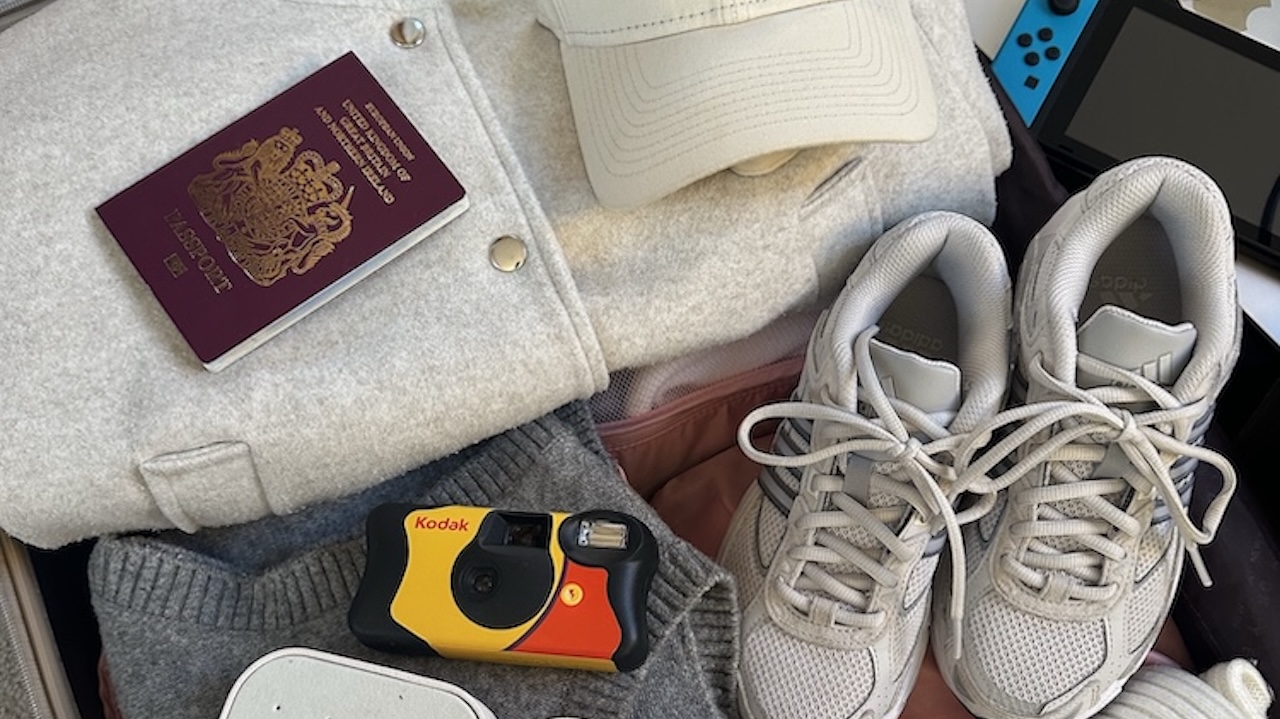
When you’re only away for a couple of days, you really don’t need a full suitcase of options. In fact, the more you pack, the more time you often spend digging through your bag, deciding what to wear, or carrying unnecessary weight from place to place.
Instead, focus on bringing a small selection of versatile items that work well together. A few outfits you already feel comfortable in, a pair of shoes you can walk in all day, and your essential toiletries are usually more than enough for a weekend getaway.
Packing simply not only saves space, but it also removes decision fatigue while you're away. When your bag is organised and easy to manage, you can spend less time worrying about what you packed and more time enjoying your destination.
Here are a few ways to keep your packing simple and stress-free:
• Choose outfits that can be mixed and matched so a few pieces create multiple looks.
• Stick to a neutral colour palette so everything pairs easily together.
• Bring only one or two pairs of shoes, ideally one comfortable pair for walking and one optional pair for evenings.
• Use travel-sized toiletries or refillable containers to save space in your bag.
• Pack items that serve multiple purposes, like a light jacket that works for both day and evening.
• Use packing cubes or small organisers to keep everything tidy and easy to find.
• Avoid packing “just in case” items that you’re unlikely to use during a short trip.
The goal is to pack with intention rather than packing for every possible scenario. When you travel lighter, moving between places becomes easier, your luggage stays organised, and your trip feels far more relaxed.
Sometimes the simplest bag leads to the most enjoyable getaway.
Make the Journey Part of the Experience
Weekend travel can feel surprisingly luxurious when you treat the journey itself as part of the adventure rather than just the time it takes to get somewhere.
Instead of rushing through the travel portion of your trip, try to embrace it as the beginning of your getaway. Whether you're travelling by train, car, or plane, the journey can be a chance to slow down, relax, and mentally transition away from your everyday routine.
There’s something special about watching new landscapes pass by, noticing how the scenery gradually changes, and feeling that sense of anticipation as you get closer to your destination. When you approach travel this way, the experience starts long before you arrive.
A few simple touches can make the journey feel more enjoyable and intentional:
• Bring a good book or magazine to enjoy during the journey.
• Download a podcast or audiobook that you’ve been meaning to listen to.
• Create a travel playlist to set the mood for your trip.
• Pack a few snacks or a favourite drink to make the journey more comfortable.
• Take time to notice the scenery, whether it’s rolling countryside, coastal views, or passing towns.
• Use the travel time to unwind, reflect, or plan the experiences you're excited about during your trip.
• Capture the start of your trip with photos or notes, documenting the journey as part of the story.
Often, the journey is what helps you shift into “holiday mode.” It creates a clear break from everyday life and allows you to arrive at your destination already feeling more relaxed and present.
When you slow down and enjoy the travel experience itself, the entire trip feels longer, richer, and more memorable.

Common Mistakes to Avoid
Packing Too Many Shoes
Shoes take up a lot of space. For a mini break, you usually only need two pairs: one comfortable pair and one optional dressier pair.
Bringing Full-Size Toiletries
Travel-sized products or refillable bottles save space and weight in your bag.
Packing Clothes You Don’t Normally Wear
Trips are not the best time to experiment with uncomfortable clothing. Pack pieces you already know you love wearing.
Tools, Resources, and Helpful Packing Tips
Here are a few tools that make packing light even easier:
Packing Cubes
Great for organising clothing and maximising suitcase space.
Digital Packing Lists
Apps like PackPoint can generate a packing list based on your destination and trip length.
Carry-On Travel Bags
Choosing the right bag can naturally limit how much you pack and make travelling easier.
FAQ
How many outfits should I pack for a weekend trip?
For a 2–3 day trip, 2–3 outfits plus a comfortable travel outfit are usually enough.
Can I pack everything in a carry-on?
Yes! Most mini breaks only require a small suitcase or travel bag if you pack strategically.
What is the best bag for a mini break?
A small carry-on suitcase or travel backpack works perfectly for short trips.
Should I pack extra clothes just in case?
Try to avoid it. Stick to planned outfits and versatile pieces instead.
How do I keep my suitcase organised?
Packing cubes and small travel pouches help keep everything neat and easy to find.
The beauty of weekend getaways is their accessibility.
You don’t need months of planning or a huge itinerary. Just a destination that excites you, a small bag, and a couple of days to explore.
Sometimes the shortest trips are the ones that stay with you the longest.
Bon voyage!
Evelyn Smith xxx

Signup to receive weekly performance and employee experience secrets
Signup to receive weekly performance and wellbeing secrets
© Copyright 2026 Victoria Canham Coaching | Website built by Me on FEA Create (aff.)
Performance Coaching Reading, London, Berkshire, Oxford | St George's Road, Reading, Berkshire, United Kingdom, RG30 2RL | +44 7377 527 529 | [email protected] Open Monday to Friday 9 am until 5 pm